?
Reference: 1 m01 Compare
Read the reference size and the dimension in the question. Compare that span with the light shape.
Upper reported head-body length, nose to tail base; curled tail excluded. · reported reference
GET A FEEL FOR IT
Size It Up Animals on Sizes.games: Recognising an animal does not tell you how big it is. Compare two animal silhouettes using the dimension named in the question: standing height, shoulder height, body length or another stated span. Resize the target beside the known reference, then check the reveal. Animals has its own five-round Daily game and new five-round comparisons in Unlimited.
Read the reference size and the dimension in the question. Compare that span with the light shape.
Drag the light shape, its handle or the ruler until the proportion looks right. Use − and + to fine-tune.
Click Lock in to see the actual outline, size and score. Complete five rounds for your total.
The diagrams use invented teaching values, separate from every Daily puzzle.
Choose a daily challenge or keep practising. Both use five rounds and the same scoring rules.
One fixed set of five comparisons for each category and local calendar date. The next Daily arrives at midnight in your local time zone. When you finish, your result stays locked in this browser.
Play DailyNew five-round games with no daily limit. Keep the current category, practise with new pairs, and start another game after the result. An unfinished run can resume here when browser storage is available.
Play UnlimitedThese are teaching ratios, not measurements of objects in today’s game.
Two shoulder heights compare the ground-to-shoulder spans. A taller head, horn or raised neck does not become part of that measurement just because it appears in the silhouette.
Compare the length specified for each animal. Read the scope to see whether the tail is included; the entire drawing and the measured body span can end at different points.
There are 40 animals in this category. The selection includes land mammals, birds and marine animals, with different measured dimensions. These eight introduce the library; their names do not identify today’s five targets.
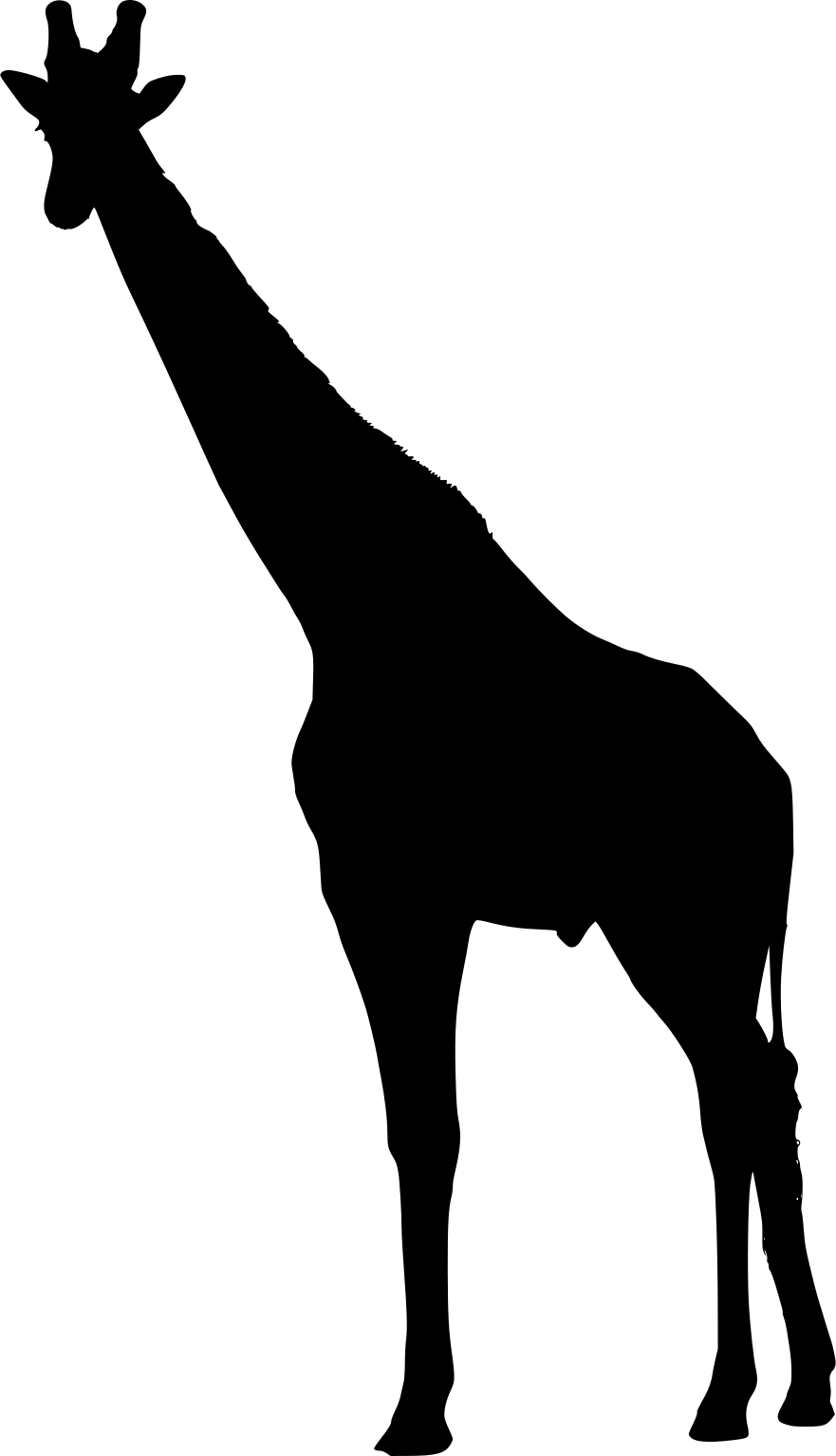
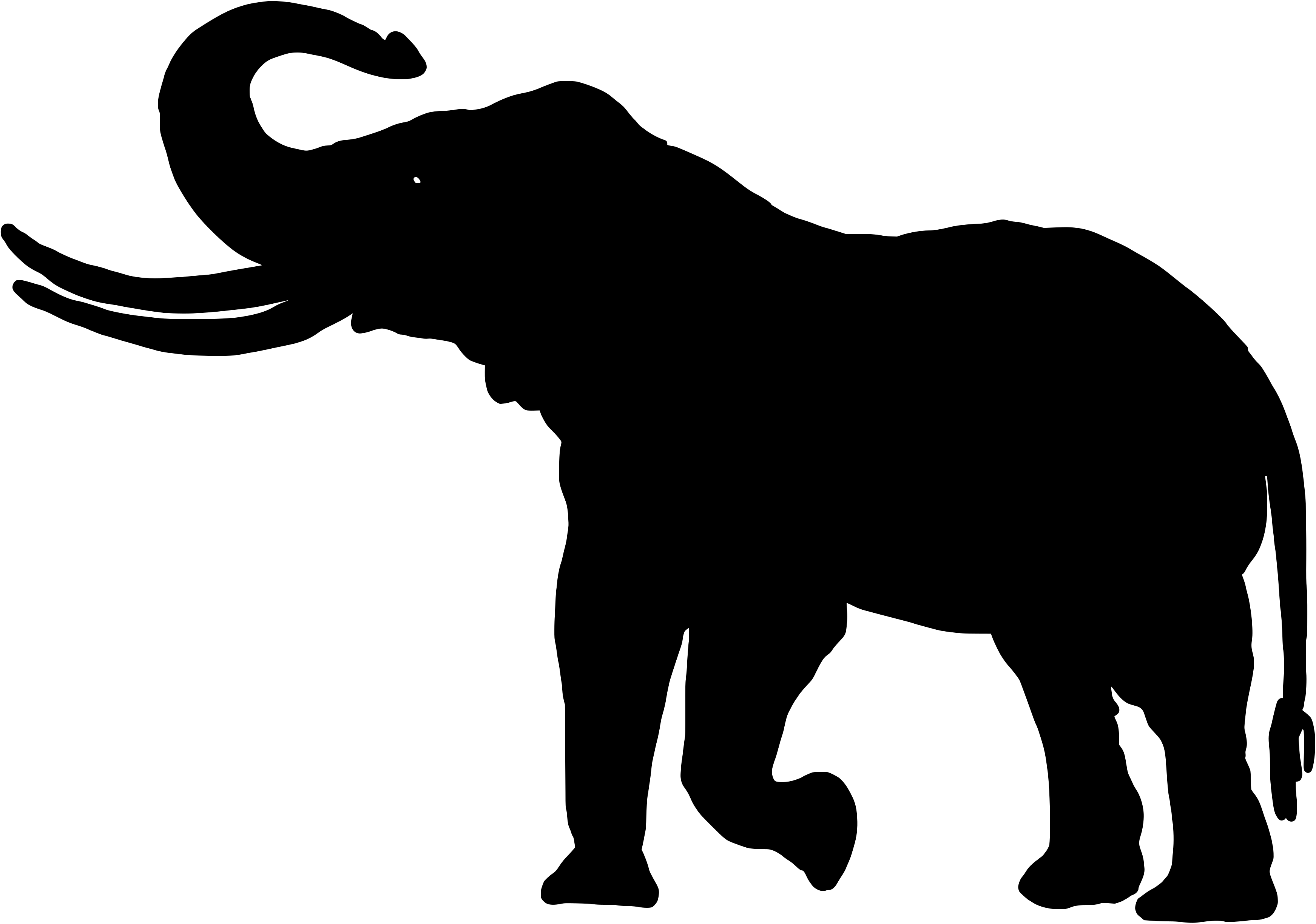
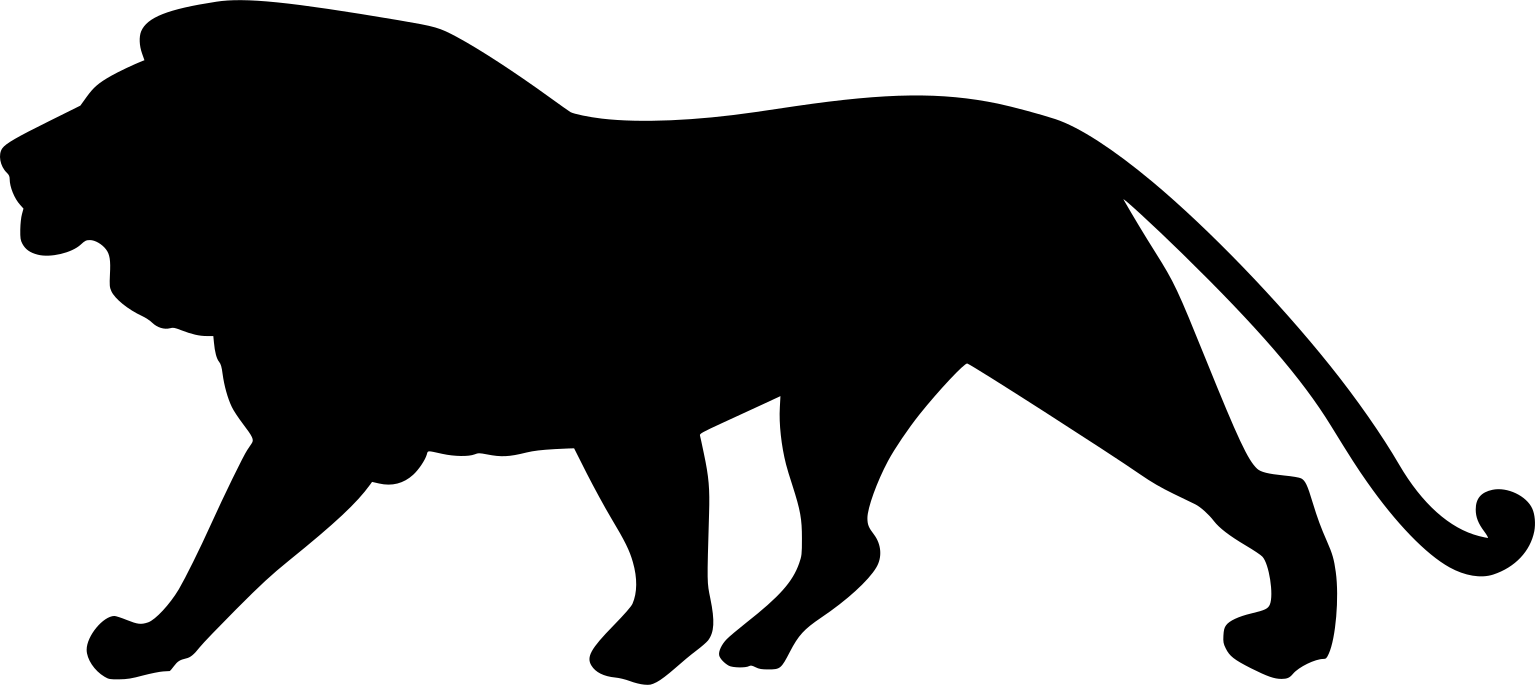

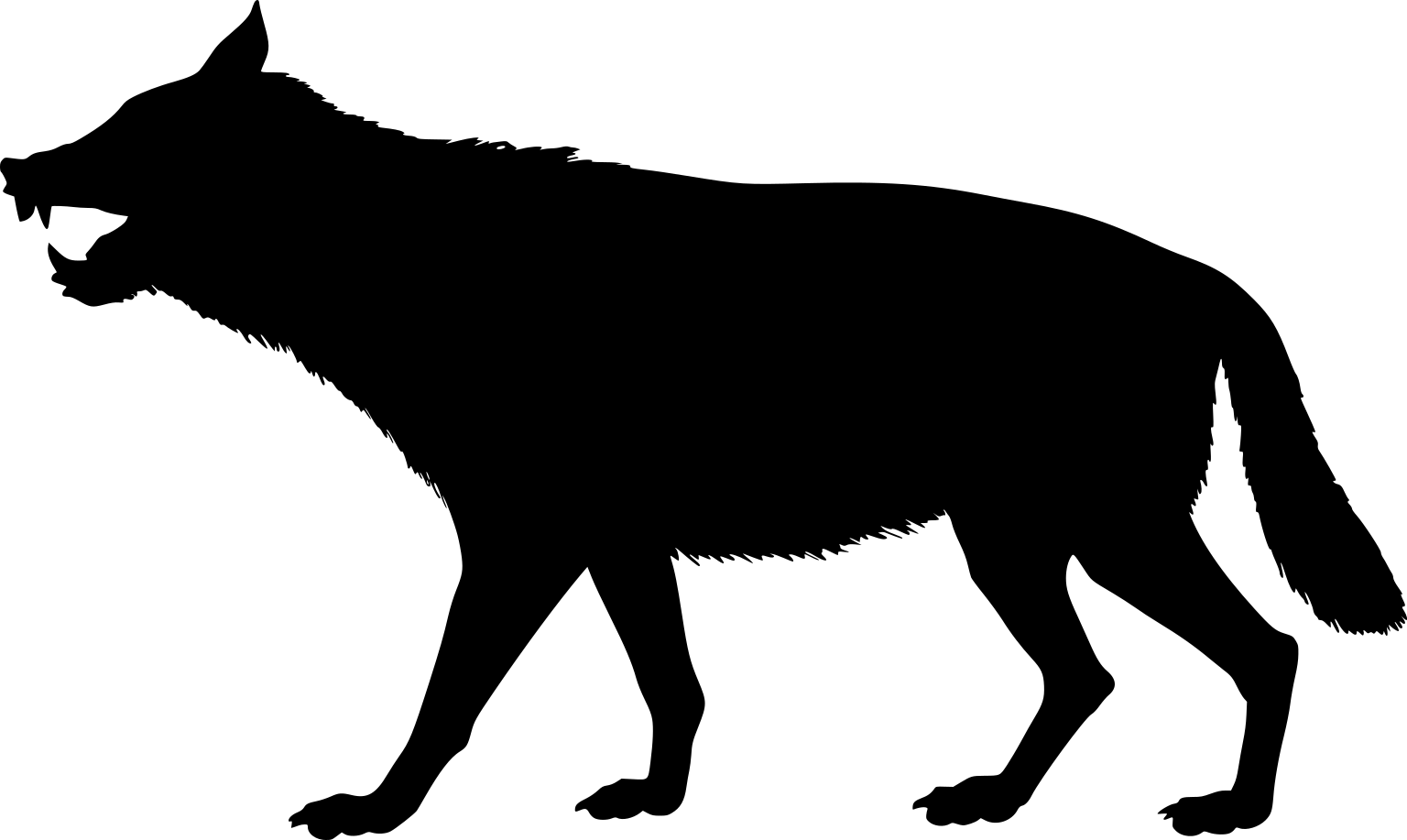
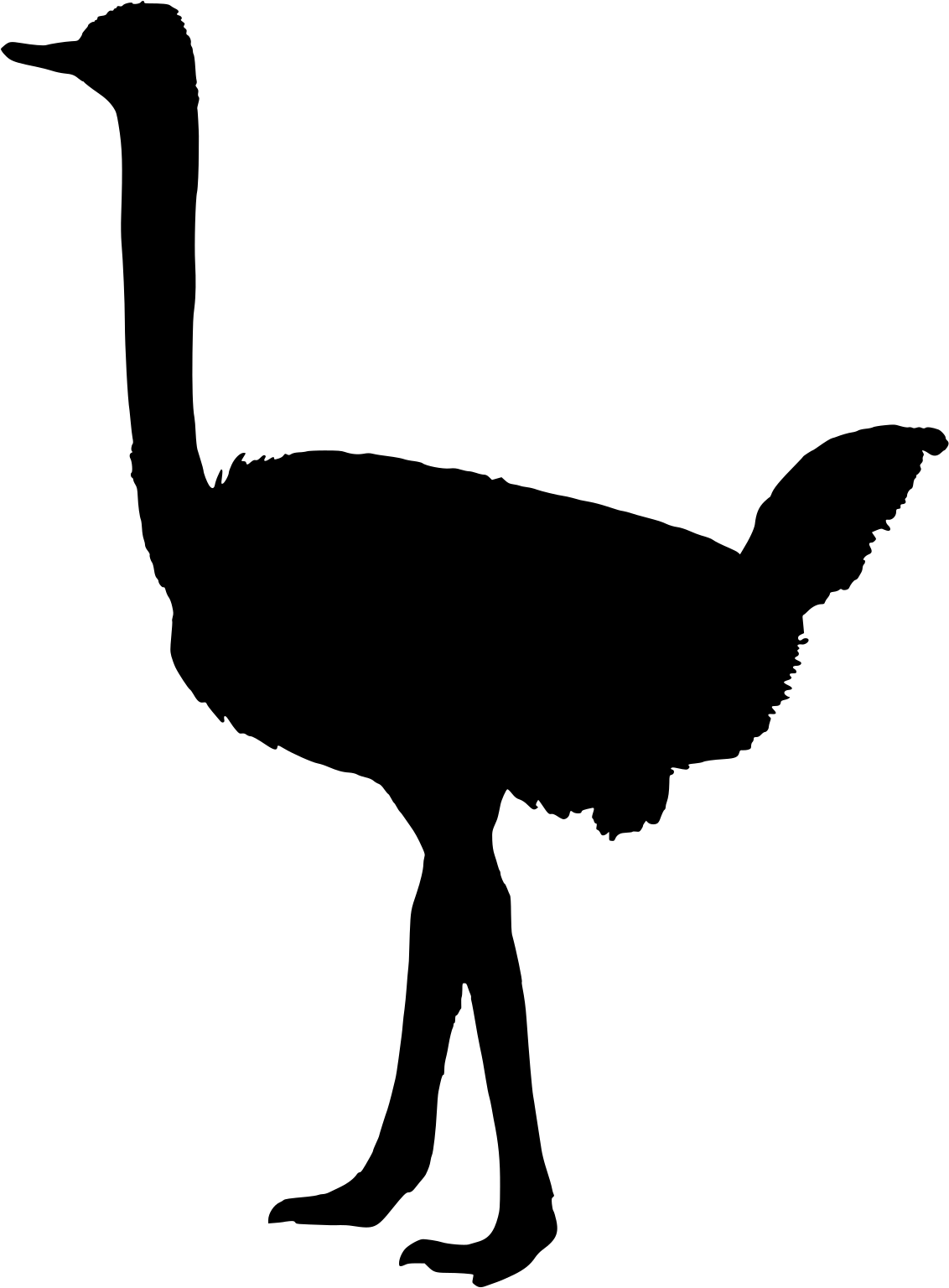
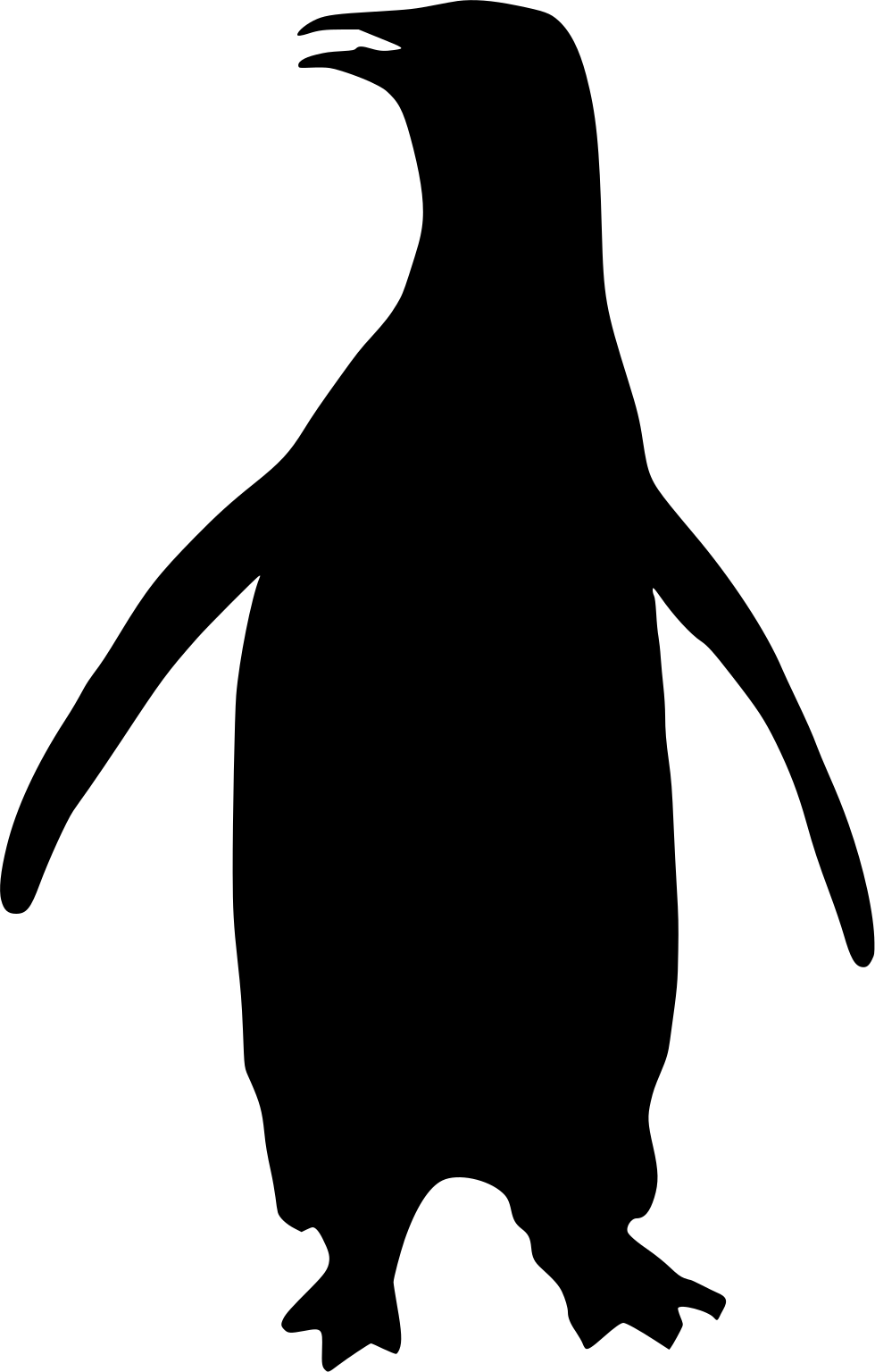
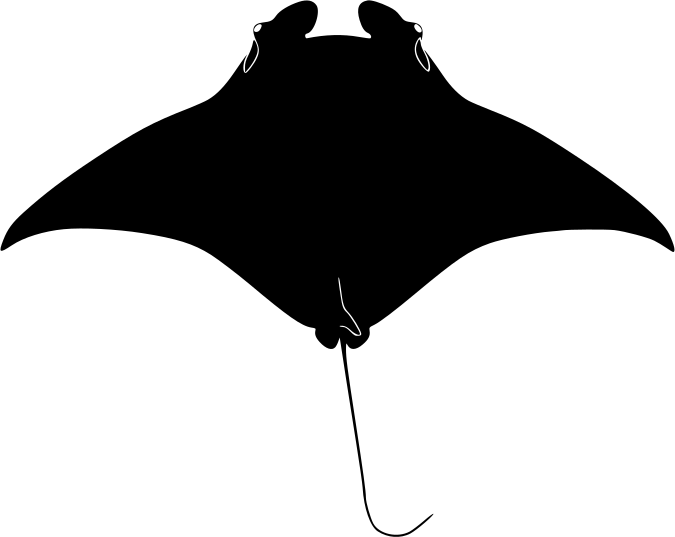
A lion or elephant can be measured to the shoulder, while a giraffe uses a standing-height reference. Follow each label and its endpoints.
Estimate how many measured reference spans fit into the target’s span. Refine that proportion instead of trying to remember a metre value from a photograph.
Each guess earns a base score from 0 to 100 by comparing your estimate with the stated reference size. The closer the ratio is to 1, the higher the score. Half-size and double-size guesses earn the same base score.
For example, 80 base points in a ×3 round contribute 240 points. Five perfect rounds total 1,000.
| Ratio | Base points |
|---|---|
| 0.5× | 50 / 100 |
| 1× | 100 / 100 |
| 2× | 50 / 100 |
Animal measurements are published reference values, not exact measurements of the individual in the drawing. Sex, age and body position can affect real sizes. A round names the measured dimension and any relevant scope, such as shoulder height or body length. Scores use that stated reference. The silhouette keeps a recognisable shape; its full outline can extend beyond the measuring endpoints.
No. Animals progress and Daily results stay in this browser when storage is available. Use the same browser, category and mode to return to a game.
Yes. Switch to Animals Unlimited for new five-round games from this category. Your completed Daily result stays locked; Unlimited does not replace it.
The question follows the dimension in the published reference. Shoulder height stops at the shoulder, while standing height can extend to the highest named point. Read the labels for both animals rather than comparing every visible pixel.
No. Individuals vary. The game uses the stated published reference value, with its scope and approximation notes, so every player is comparing against the same basis for that round.
It depends on the stated measurement. A body-length reference may use different endpoints from a full silhouette. Check the scope and measuring line before guessing, then inspect the source after the reveal.
No. An Animals game uses two animals. Choose Mixed for compatible comparisons drawn from different categories, or explore Landmarks for structures.