?
Reference: 1 m01 Compare
Read the reference size and the dimension in the question. Compare that span with the light shape.
Statue hat top to feet; bronze platform and full visible column excluded from measurement
GET A FEEL FOR IT
Size It Up Landmarks on Sizes.games: Familiar skylines can hide unfamiliar proportions. Compare towers, statues, monuments and other structures by their stated height, length or span. Resize the target against the known reference, checking which parts and version the measurement includes. Landmarks offers a fixed five-round Daily game for each local date, plus new five-round games in Unlimited.
Read the reference size and the dimension in the question. Compare that span with the light shape.
Drag the light shape, its handle or the ruler until the proportion looks right. Use − and + to fine-tune.
Click Lock in to see the actual outline, size and score. Complete five rounds for your total.
The diagrams use invented teaching values, separate from every Daily puzzle.
Choose a daily challenge or keep practising. Both use five rounds and the same scoring rules.
One fixed set of five comparisons for each category and local calendar date. The next Daily arrives at midnight in your local time zone. When you finish, your result stays locked in this browser.
Play DailyNew five-round games with no daily limit. Keep the current category, practise with new pairs, and start another game after the result. An unfinished run can resume here when browser storage is available.
Play UnlimitedThese are teaching ratios, not measurements of objects in today’s game.
A height comparison runs between the named endpoints. A pedestal, antenna or other attachment counts only when the stated scope includes it.
For a bridge or arch, follow the labelled section and direction. A main span, a suspension section and an entire bridge length are different measurements.
This category contains 40 structures. Towers sit alongside statues, arches, a bridge and a historical pyramid reference. These eight examples show the range; the question gives the exact version and measurement for each round.
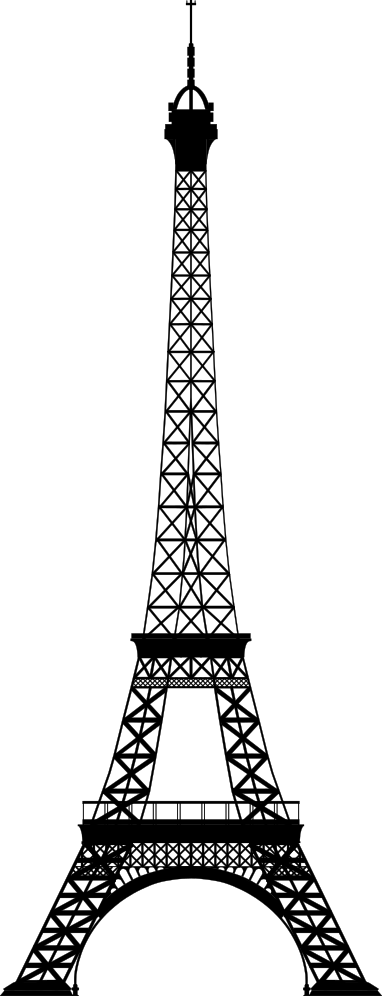
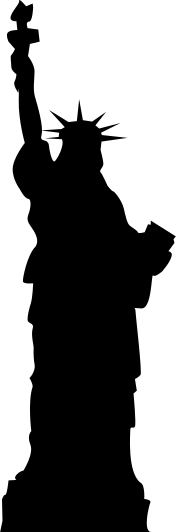


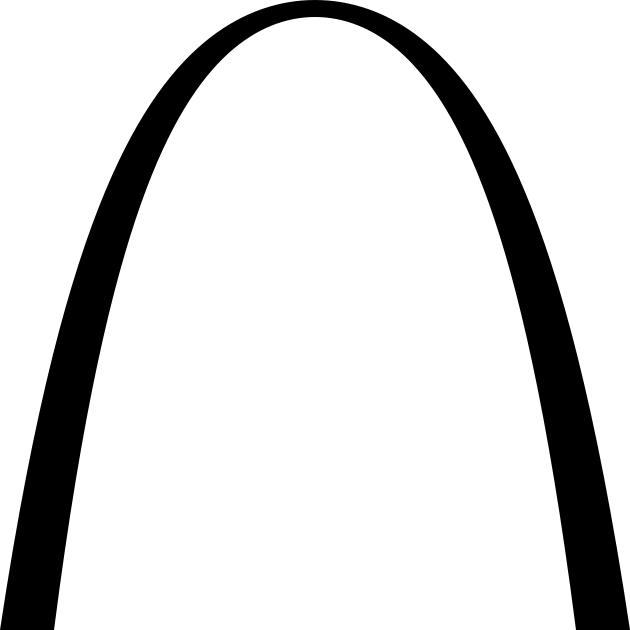

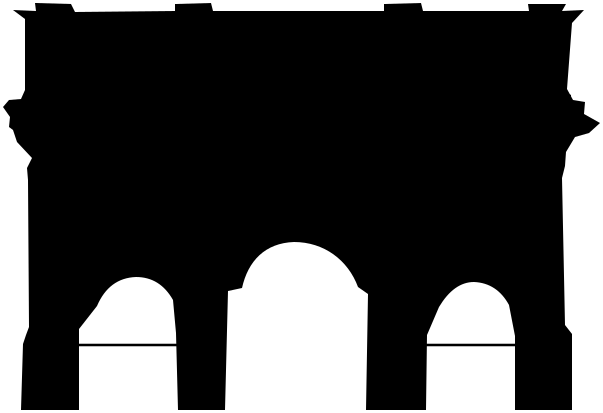

The statue itself and a statue with its pedestal are different subjects. Read the qualifier before estimating a familiar monument.
Antennas and additions can change a tower’s height. A historical reference should not silently become a modern measurement. Use the version stated in the round.
Each guess earns a base score from 0 to 100 by comparing your estimate with the stated reference size. The closer the ratio is to 1, the higher the score. Half-size and double-size guesses earn the same base score.
For example, 80 base points in a ×3 round contribute 240 points. Five perfect rounds total 1,000.
| Ratio | Base points |
|---|---|
| 0.5× | 50 / 100 |
| 1× | 100 / 100 |
| 2× | 50 / 100 |
Landmark rounds refer to a particular structure, version and measured span. Height can include or exclude antennas and pedestals. A bridge’s labelled section is not automatically its full length. Some entries use an original or historical reference instead of today’s surviving structure. Read the qualifier and endpoints; scores use that named measurement, not floor area, capacity or elevation above sea level.
Yes. Landmarks Unlimited draws new five-round games from this category. Today’s completed Daily result remains available in the same browser when storage is available.
No. The reference measurement and the target’s scope are shown before you guess. Estimate their proportion, then use the reveal and sources to learn about the stated measurement.
This library’s Statue of Liberty entry measures the statue body, excluding the pedestal. Always follow the round’s scope: another reference or another site may use a different boundary.
Only if the named measurement includes them. A tower’s version and endpoints can change the answer. The qualifier identifies the reference used for this round.
Not necessarily. Read the named section. This library’s Golden Gate Bridge entry uses the suspension structure, rather than treating every visible part or approach as the same measurement.
A historical reference can describe a structure before damage or alteration. The Great Pyramid entry names its original-height reference so it can be distinguished from the surviving height. Sources explain the chosen basis.