
?
Reference: 1 m01 Compare
Read the reference size and the dimension in the question. Compare that span with the light shape.
Complete artwork top-to-bottom · nominal normal-form height mapped to this pose
GET A FEEL FOR IT
Size It Up Unlimited on Sizes.games offers endless five-round size guessing games across Animals, Landmarks, Geography, Pop Culture and Vehicles. Resize a silhouette beside a known reference, reveal its stated size and start another game after your result. The measurement scope and scoring rules are the same as Daily.
Read the reference size and the dimension in the question. Compare that span with the light shape.
Drag the light shape, its handle or the ruler until the proportion looks right. Use − and + to fine-tune.
Click Lock in to see the actual outline, size and score. Complete five rounds for your total.
The diagrams use invented teaching values, separate from every Daily puzzle.
Choose a daily challenge or keep practising. Both use five rounds and the same scoring rules.
One fixed set of five comparisons for each category and local calendar date. The next Daily arrives at midnight in your local time zone. When you finish, your result stays locked in this browser.
Play DailyNew five-round games with no daily limit. Keep the current category, practise with new pairs, and start another game after the result. An unfinished run can resume here when browser storage is available.
Play UnlimitedThese are teaching ratios, not measurements of objects in today’s game.
Think in multiples: a target twice the reference height needs twice its measured vertical span. Compare the named height, rather than how much space the whole drawing fills.
A target half the reference length needs half its measured horizontal span. Smaller does not mean less important: a half-size and a double-size scoring error are treated equally.
Begin with equal spans, then make a small adjustment. A target one quarter longer than the reference has a ratio of 1.25 to 1.
The current library contains 200 objects, with 40 in each of five categories. These eight examples introduce the kinds of subjects you can meet. Mixed uses pairs whose measurements and full silhouettes fit the game’s scale limits.






Length, height, shoulder height and map span describe different measurements. Each question tells you which dimension and scope to compare.
Start with about half, equal or twice the reference. Use the ruler and fine-tuning controls to narrow your guess; zoom changes the view, not the estimate.
Each guess earns a base score from 0 to 100 by comparing your estimate with the stated reference size. The closer the ratio is to 1, the higher the score. Half-size and double-size guesses earn the same base score.
For example, 80 base points in a ×3 round contribute 240 points. Five perfect rounds total 1,000.
| Ratio | Base points |
|---|---|
| 0.5× | 50 / 100 |
| 1× | 100 / 100 |
| 2× | 50 / 100 |
Each round scores one named linear measurement against its stated reference value. Animals use published size references; structures use a specified version and included parts; maps use projected outline spans; characters use listed heights; vehicles use a named model or family and measured span. The source and scope matter as much as the number. A silhouette helps you compare, but does not make every visible feature an exact measurement.
Size It Up on Sizes.games is independently made by mubai. Sizes.games is not affiliated with other games that use the same or a similar name.
It is a visual size comparison and guessing game. You resize a silhouette beside a measured reference, rather than type an answer. After each guess, the reveal shows the stated size and your score.
No account is required. Progress and Daily results are saved in this browser when local storage is available. They do not automatically transfer to another browser or device.
Players using the same category and local calendar date receive the same five comparisons. Each category has its own Daily set. Midnight follows your device’s local date, so players in different time zones can be on different dates.
Yes, when browser storage is available. Return to the same category and mode to resume an unfinished game or see today’s completed Daily result. If the game cannot save, it explains that the session is practice.
The stated measurements and the full silhouettes must each be within five times of one another. A category game pairs two objects from that category. Mixed can combine objects from different categories when their scales fit.
They come from published size references, documented structure measurements, projected map spans, listed character heights and vehicle dimensions. Read the scope before guessing; after the reveal, the round’s sources include the target value. Sources & credits explains the reference policy and artwork attribution.
GET A FEEL FOR IT
Size It Up Unlimited: Animals on Sizes.games offers endless five-round games in this category. Recognising an animal does not tell you how big it is. Compare two animal silhouettes using the dimension named in the question: standing height, shoulder height, body length or another stated span. Resize the target beside the known reference, then check the reveal. Animals has its own five-round Daily game and new five-round comparisons in Unlimited.
Read the reference size and the dimension in the question. Compare that span with the light shape.
Drag the light shape, its handle or the ruler until the proportion looks right. Use − and + to fine-tune.
Click Lock in to see the actual outline, size and score. Complete five rounds for your total.
The diagrams use invented teaching values, separate from every Daily puzzle.
Choose a daily challenge or keep practising. Both use five rounds and the same scoring rules.
One fixed set of five comparisons for each category and local calendar date. The next Daily arrives at midnight in your local time zone. When you finish, your result stays locked in this browser.
Play DailyNew five-round games with no daily limit. Keep the current category, practise with new pairs, and start another game after the result. An unfinished run can resume here when browser storage is available.
Play UnlimitedThese are teaching ratios, not measurements of objects in today’s game.
Two shoulder heights compare the ground-to-shoulder spans. A taller head, horn or raised neck does not become part of that measurement just because it appears in the silhouette.
Compare the length specified for each animal. Read the scope to see whether the tail is included; the entire drawing and the measured body span can end at different points.
There are 40 animals in this category. The selection includes land mammals, birds and marine animals, with different measured dimensions. These eight introduce the library; their names do not identify today’s five targets.



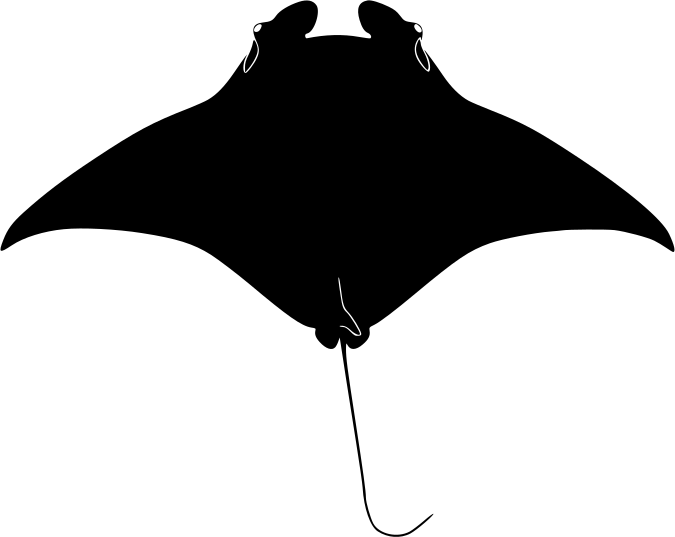
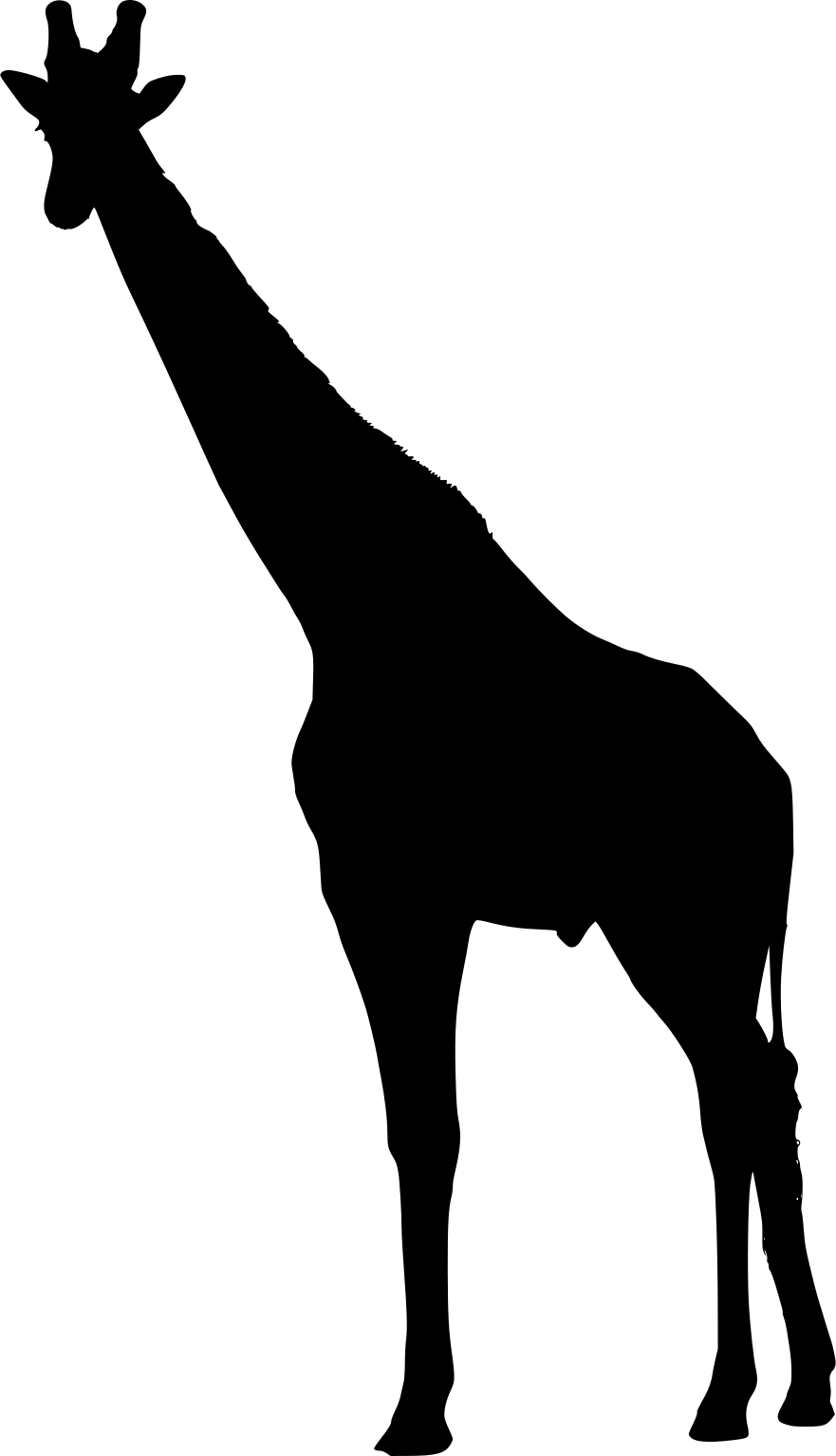
A lion or elephant can be measured to the shoulder, while a giraffe uses a standing-height reference. Follow each label and its endpoints.
Estimate how many measured reference spans fit into the target’s span. Refine that proportion instead of trying to remember a metre value from a photograph.
Each guess earns a base score from 0 to 100 by comparing your estimate with the stated reference size. The closer the ratio is to 1, the higher the score. Half-size and double-size guesses earn the same base score.
For example, 80 base points in a ×3 round contribute 240 points. Five perfect rounds total 1,000.
| Ratio | Base points |
|---|---|
| 0.5× | 50 / 100 |
| 1× | 100 / 100 |
| 2× | 50 / 100 |
Animal measurements are published reference values, not exact measurements of the individual in the drawing. Sex, age and body position can affect real sizes. A round names the measured dimension and any relevant scope, such as shoulder height or body length. Scores use that stated reference. The silhouette keeps a recognisable shape; its full outline can extend beyond the measuring endpoints.
No. Animals progress and Daily results stay in this browser when storage is available. Use the same browser, category and mode to return to a game.
Yes. Switch to Animals Unlimited for new five-round games from this category. Your completed Daily result stays locked; Unlimited does not replace it.
The question follows the dimension in the published reference. Shoulder height stops at the shoulder, while standing height can extend to the highest named point. Read the labels for both animals rather than comparing every visible pixel.
No. Individuals vary. The game uses the stated published reference value, with its scope and approximation notes, so every player is comparing against the same basis for that round.
It depends on the stated measurement. A body-length reference may use different endpoints from a full silhouette. Check the scope and measuring line before guessing, then inspect the source after the reveal.
No. An Animals game uses two animals. Choose Mixed for compatible comparisons drawn from different categories, or explore Landmarks for structures.
GET A FEEL FOR IT
Size It Up Unlimited: Landmarks on Sizes.games offers endless five-round games in this category. Familiar skylines can hide unfamiliar proportions. Compare towers, statues, monuments and other structures by their stated height, length or span. Resize the target against the known reference, checking which parts and version the measurement includes. Landmarks offers a fixed five-round Daily game for each local date, plus new five-round games in Unlimited.
Read the reference size and the dimension in the question. Compare that span with the light shape.
Drag the light shape, its handle or the ruler until the proportion looks right. Use − and + to fine-tune.
Click Lock in to see the actual outline, size and score. Complete five rounds for your total.
The diagrams use invented teaching values, separate from every Daily puzzle.
Choose a daily challenge or keep practising. Both use five rounds and the same scoring rules.
One fixed set of five comparisons for each category and local calendar date. The next Daily arrives at midnight in your local time zone. When you finish, your result stays locked in this browser.
Play DailyNew five-round games with no daily limit. Keep the current category, practise with new pairs, and start another game after the result. An unfinished run can resume here when browser storage is available.
Play UnlimitedThese are teaching ratios, not measurements of objects in today’s game.
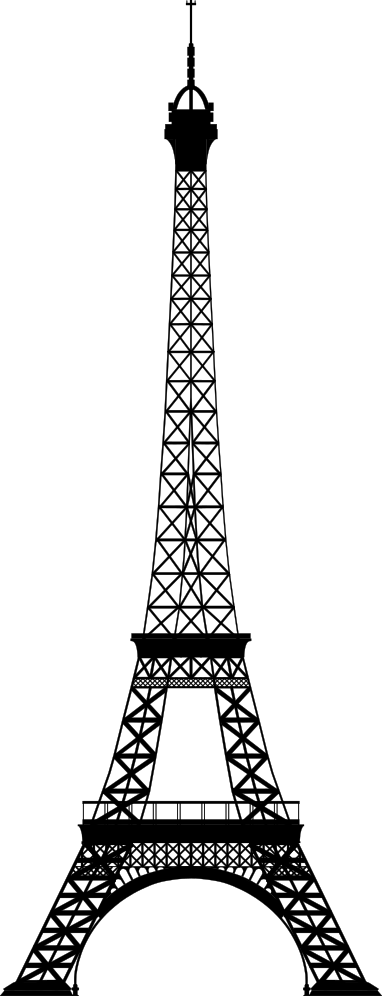
A height comparison runs between the named endpoints. A pedestal, antenna or other attachment counts only when the stated scope includes it.
For a bridge or arch, follow the labelled section and direction. A main span, a suspension section and an entire bridge length are different measurements.
This category contains 40 structures. Towers sit alongside statues, arches, a bridge and a historical pyramid reference. These eight examples show the range; the question gives the exact version and measurement for each round.






The statue itself and a statue with its pedestal are different subjects. Read the qualifier before estimating a familiar monument.
Antennas and additions can change a tower’s height. A historical reference should not silently become a modern measurement. Use the version stated in the round.
Each guess earns a base score from 0 to 100 by comparing your estimate with the stated reference size. The closer the ratio is to 1, the higher the score. Half-size and double-size guesses earn the same base score.
For example, 80 base points in a ×3 round contribute 240 points. Five perfect rounds total 1,000.
| Ratio | Base points |
|---|---|
| 0.5× | 50 / 100 |
| 1× | 100 / 100 |
| 2× | 50 / 100 |
Landmark rounds refer to a particular structure, version and measured span. Height can include or exclude antennas and pedestals. A bridge’s labelled section is not automatically its full length. Some entries use an original or historical reference instead of today’s surviving structure. Read the qualifier and endpoints; scores use that named measurement, not floor area, capacity or elevation above sea level.
Yes. Landmarks Unlimited draws new five-round games from this category. Today’s completed Daily result remains available in the same browser when storage is available.
No. The reference measurement and the target’s scope are shown before you guess. Estimate their proportion, then use the reveal and sources to learn about the stated measurement.
This library’s Statue of Liberty entry measures the statue body, excluding the pedestal. Always follow the round’s scope: another reference or another site may use a different boundary.
Only if the named measurement includes them. A tower’s version and endpoints can change the answer. The qualifier identifies the reference used for this round.
Not necessarily. Read the named section. This library’s Golden Gate Bridge entry uses the suspension structure, rather than treating every visible part or approach as the same measurement.
A historical reference can describe a structure before damage or alteration. The Great Pyramid entry names its original-height reference so it can be distinguished from the surviving height. Sources explain the chosen basis.
GET A FEEL FOR IT
Size It Up Unlimited: Geography on Sizes.games offers endless five-round games in this category. Recognise a country or island group, then compare its outline with another map at the reference scale. Geography asks you to estimate a projected north–south or east–west span, rather than land area. Read the direction and included territory before resizing. Play the category’s five-round Daily game, or practise with new five-round games in Unlimited.
Read the reference size and the dimension in the question. Compare that span with the light shape.
Drag the light shape, its handle or the ruler until the proportion looks right. Use − and + to fine-tune.
Click Lock in to see the actual outline, size and score. Complete five rounds for your total.
The diagrams use invented teaching values, separate from every Daily puzzle.
Choose a daily challenge or keep practising. Both use five rounds and the same scoring rules.
One fixed set of five comparisons for each category and local calendar date. The next Daily arrives at midnight in your local time zone. When you finish, your result stays locked in this browser.
Play DailyNew five-round games with no daily limit. Keep the current category, practise with new pairs, and start another game after the result. An unfinished run can resume here when browser storage is available.
Play UnlimitedThese are teaching ratios, not measurements of objects in today’s game.
A map twice as tall along the stated projected axis has twice that span. This says nothing by itself about the land area inside the outline.
Compare the labelled horizontal span, keeping the stated territory scope in mind. An island beyond the mainland can change the endpoints of that span.
Geography contains 40 country and island-group outlines. These eight examples include both north–south and east–west spans. Labels identify the included territory; similarly named maps on other sites may cover a different area.


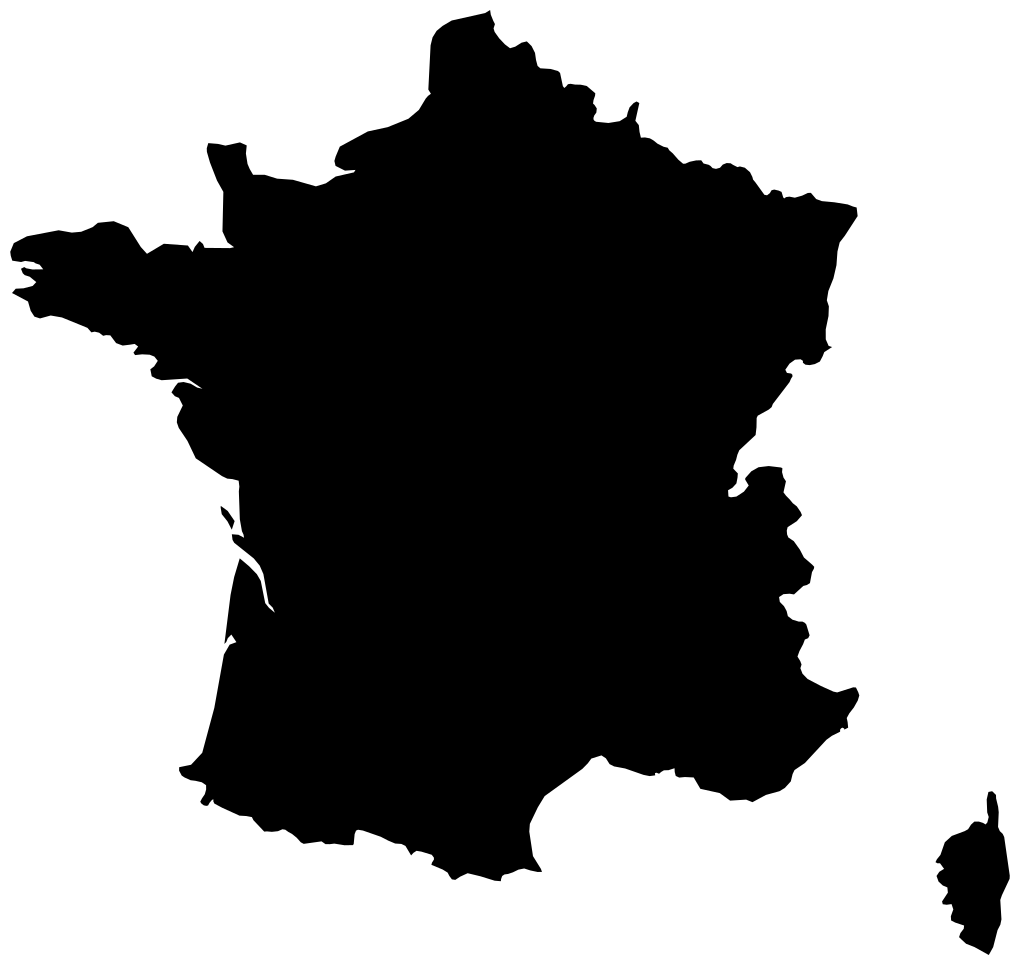
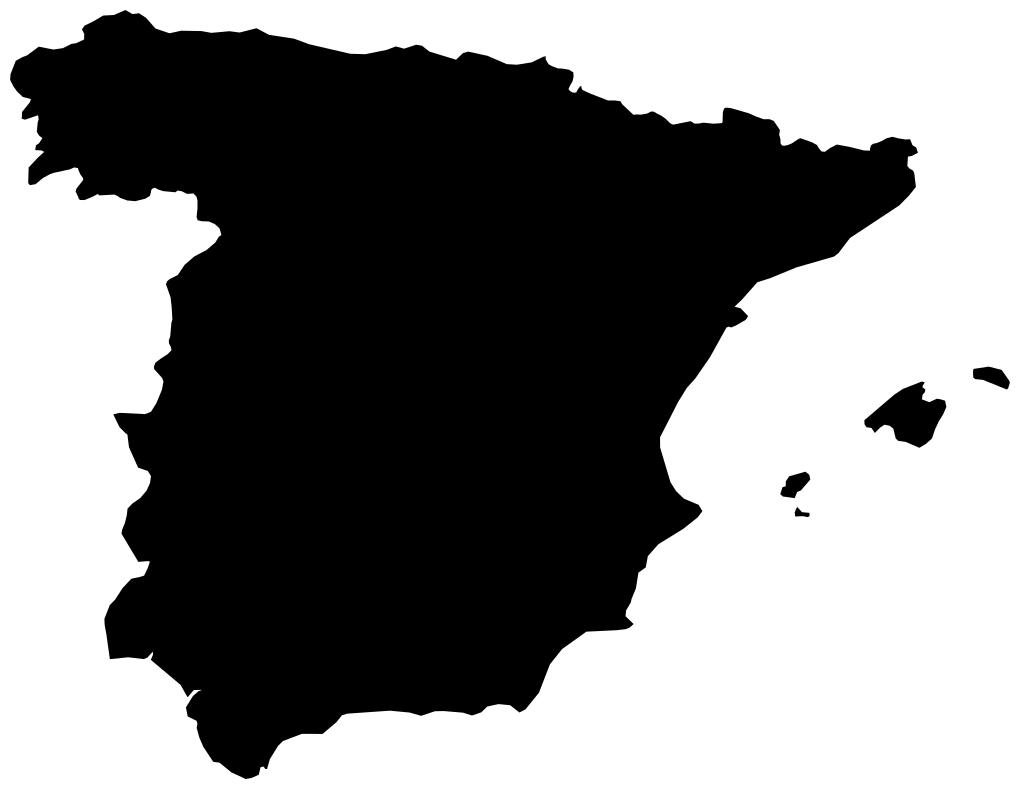
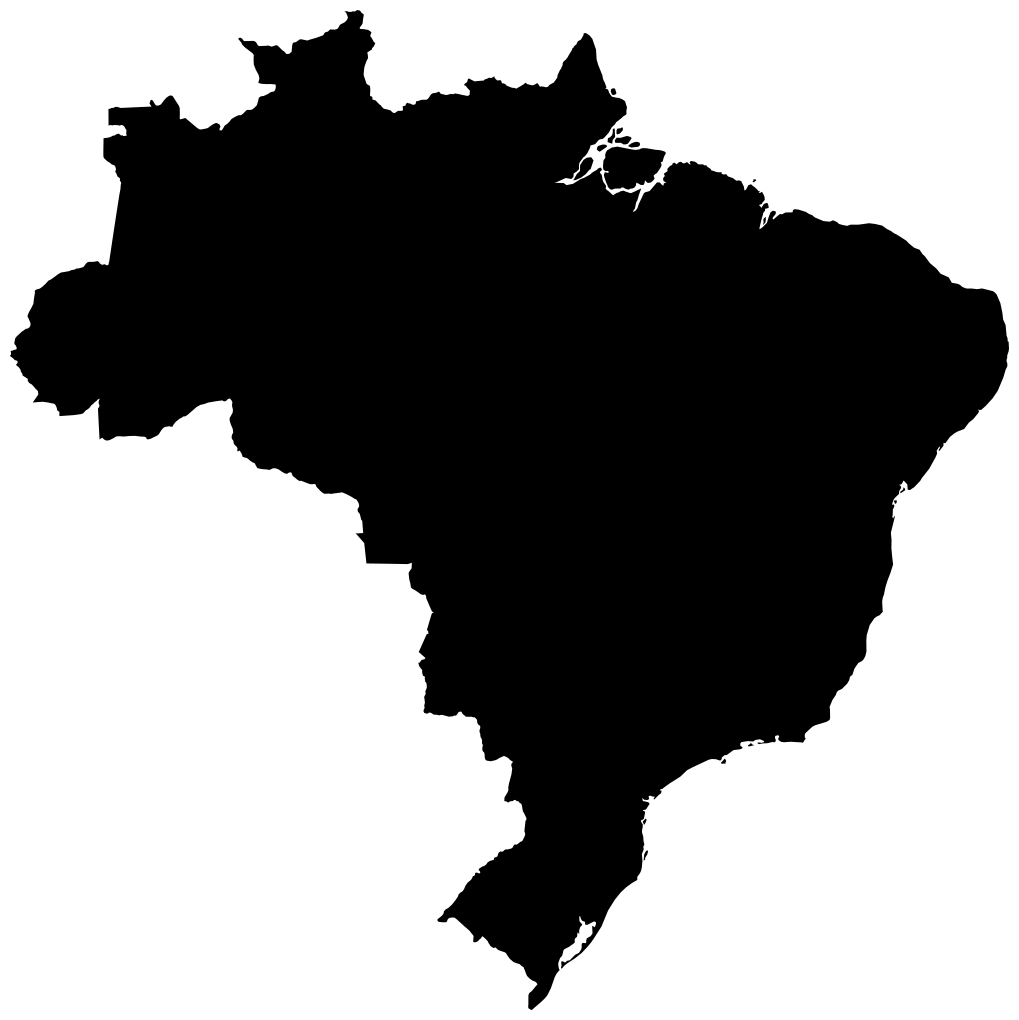

A long north–south country and a wide east–west country can look very different. Compare the named projected spans, rather than their filled areas.
Mainland, nearby islands and overseas territories can change an outline’s endpoints. Use the scope supplied in the question, not the broadest possible definition of a country.
Each guess earns a base score from 0 to 100 by comparing your estimate with the stated reference size. The closer the ratio is to 1, the higher the score. Half-size and double-size guesses earn the same base score.
For example, 80 base points in a ×3 round contribute 240 points. Five perfect rounds total 1,000.
| Ratio | Base points |
|---|---|
| 0.5× | 50 / 100 |
| 1× | 100 / 100 |
| 2× | 50 / 100 |
These maps use local equal-area projections of documented outlines. The scored reference is the outline’s stated horizontal or vertical span on that projection. It is not a travel distance, a ground-distance measurement or a comparison of land area. Generalised boundaries and the chosen island or territory scope affect the drawing. Each round identifies the axis and included territory; Sources explains the map basis.
Yes. Geography Unlimited keeps offering new five-round games from the map category. Your completed Daily result remains separate in this browser.
No. When browser storage is available, return to the same category and mode to resume. Progress stays on that browser and device; it does not automatically sync elsewhere.
No. You compare a stated projected north–south or east–west span. Two places can have similar spans and very different land areas. Do not use square kilometres as the answer to a linear-span question.
No. It is a reference span measured on this local projected outline. It should not be read as an official ground distance, road distance or distance between two named cities.
Follow the scope under each name. For example, the France · Europe entry includes the European mainland and Corsica while excluding overseas territories. Other entries state their own included island groups.
Projection choices affect how a map looks. A local equal-area projection provides the defined outline used here; the question still scores a labelled linear span. Equal area does not make that span a ground-distance measurement.
GET A FEEL FOR IT
Size It Up Unlimited: Pop Culture on Sizes.games offers endless five-round games in this category. Put familiar Pokémon, Star Wars and Sonic characters beside one another and test your sense of their scale. Each round compares a published, listed height for the named character or form. Read the scope, resize the target against the known reference, then check the reveal. Pop Culture has a five-round Daily game and new five-round games in Unlimited.
Read the reference size and the dimension in the question. Compare that span with the light shape.
Drag the light shape, its handle or the ruler until the proportion looks right. Use − and + to fine-tune.
Click Lock in to see the actual outline, size and score. Complete five rounds for your total.
The diagrams use invented teaching values, separate from every Daily puzzle.
Choose a daily challenge or keep practising. Both use five rounds and the same scoring rules.
One fixed set of five comparisons for each category and local calendar date. The next Daily arrives at midnight in your local time zone. When you finish, your result stays locked in this browser.
Play DailyNew five-round games with no daily limit. Keep the current category, practise with new pairs, and start another game after the result. An unfinished run can resume here when browser storage is available.
Play UnlimitedThese are teaching ratios, not measurements of objects in today’s game.
Use the published height for the named character or form. An upright pose, a raised hand or an antenna does not independently establish that reference value.
Keep the same proportional reasoning when a character is smaller. The illustrative outline helps you recognise the subject; the stated height defines the measurement.
The category currently contains 40 characters from Pokémon, Star Wars and Sonic. These eight introduce its mix of small creatures, larger Pokémon, film characters and game characters. The round’s scope gives the form or height convention being used.
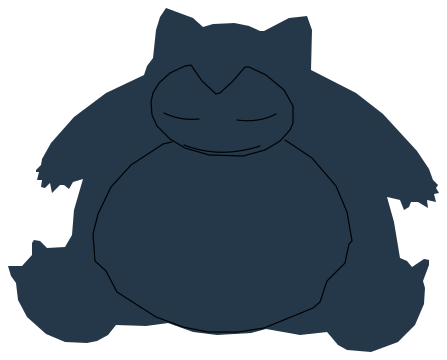
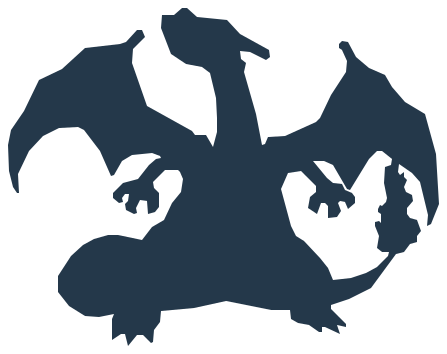





A character name alone may leave the measurement unclear. Follow the named form or convention instead of substituting another portrayal.
Artwork is illustrative. A crouch, limb, tail or antenna is a recognisable feature, not proof of an exact body measurement. The listed reference is what counts.
Each guess earns a base score from 0 to 100 by comparing your estimate with the stated reference size. The closer the ratio is to 1, the higher the score. Half-size and double-size guesses earn the same base score.
For example, 80 base points in a ×3 round contribute 240 points. Five perfect rounds total 1,000.
| Ratio | Base points |
|---|---|
| 0.5× | 50 / 100 |
| 1× | 100 / 100 |
| 2× | 50 / 100 |
Character sizes use published nominal heights for the stated form or convention. They are reference values, rather than measurements inferred from every pose in a film or illustration. Artwork preserves a recognisable silhouette, but limbs, antennae and posture do not establish an exact body measurement. Read the question’s scope; scores compare your estimate with the listed height named for that round.
Yes. Choose Pop Culture Unlimited for new five-round games from this character category. Your completed Daily result stays separate in this browser when storage is available.
No. Progress is saved locally when browser storage is available. Return to the same category and mode to resume; another browser or device has its own progress.
Use the form and measurement convention stated in the round. Do not replace the supplied reference with a different adaptation, transformation or portrayal simply because the character has the same name.
The drawing is illustrative. Raised arms, antennae, crouching and other pose details do not all define the published height. The game compares against the stated nominal reference, rather than treating every visible point as an exact measurement.
No. They are published nominal references for fictional subjects. Sources and scope identify the basis used here; artwork should not be mistaken for a precise physical projection of a real individual.
A Pop Culture game uses two objects from this category. Choose Mixed for compatible comparisons across categories; the same measurement and scale rules still apply.
GET A FEEL FOR IT
Size It Up Unlimited: Vehicles on Sizes.games offers endless five-round games in this category. Put bicycles, cars, trains, aircraft, ships and spacecraft beside a known reference. Each round names the model or family and a particular span: full length, height, wheelbase, wingspan or body diameter. Read that scope, resize the target and check the reveal. Vehicles has its own five-round Daily game, plus new five-round games in Unlimited.
Read the reference size and the dimension in the question. Compare that span with the light shape.
Drag the light shape, its handle or the ruler until the proportion looks right. Use − and + to fine-tune.
Click Lock in to see the actual outline, size and score. Complete five rounds for your total.
The diagrams use invented teaching values, separate from every Daily puzzle.
Choose a daily challenge or keep practising. Both use five rounds and the same scoring rules.
One fixed set of five comparisons for each category and local calendar date. The next Daily arrives at midnight in your local time zone. When you finish, your result stays locked in this browser.
Play DailyNew five-round games with no daily limit. Keep the current category, practise with new pairs, and start another game after the result. An unfinished run can resume here when browser storage is available.
Play UnlimitedThese are teaching ratios, not measurements of objects in today’s game.
Wheelbase runs between the front and rear wheel centres. Compare that span, rather than the full body length, roof rack or spare wheel. The same full silhouette can support a shorter measured span.
Follow the named body section and endpoints. Antennas, wings, landing gear or a rocket engine can extend beyond the body without becoming part of its diameter.
Vehicles contains 40 machines from land, air, sea and space. These eight show the range of subjects and measurements; they do not identify today’s five targets. A model family or historical configuration is part of the reference when it is named.
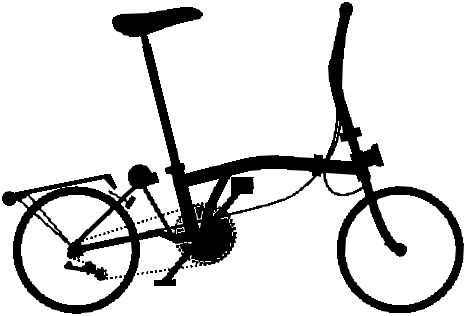


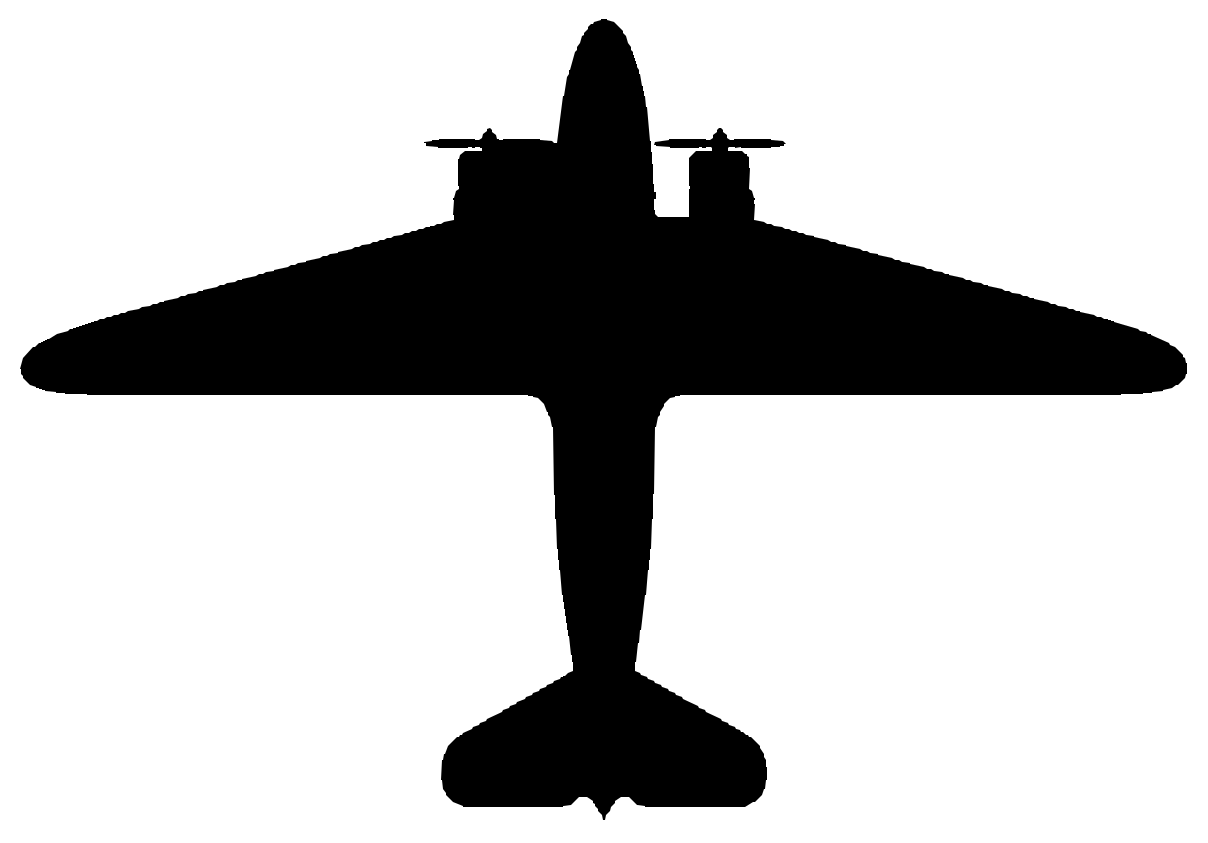
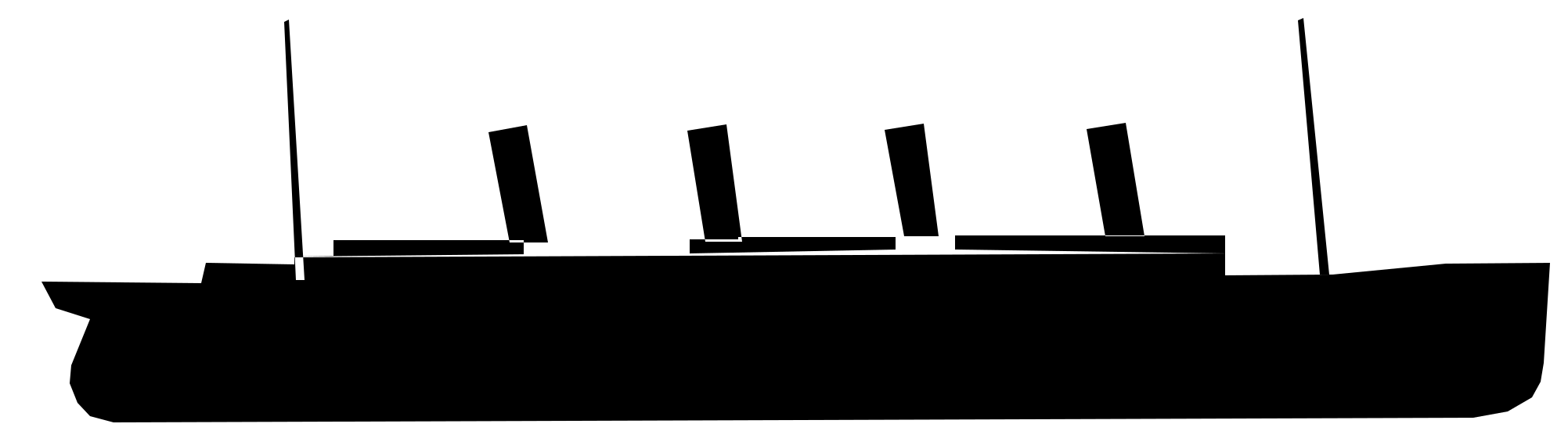

Full length, wheelbase, wingspan and body diameter describe different parts. Use the measuring line and scope instead of treating the longest visible edge as the answer.
Published dimensions can describe a particular model, family or launch configuration. A photograph or perspective illustration may not show an exact projection of that same specimen.
Each guess earns a base score from 0 to 100 by comparing your estimate with the stated reference size. The closer the ratio is to 1, the higher the score. Half-size and double-size guesses earn the same base score.
For example, 80 base points in a ×3 round contribute 240 points. Five perfect rounds total 1,000.
| Ratio | Base points |
|---|---|
| 0.5× | 50 / 100 |
| 1× | 100 / 100 |
| 2× | 50 / 100 |
Vehicle rounds use published dimensions for the stated model, family or configuration. A full length can exclude accessories; wheelbase runs between wheel centres; a spacecraft body diameter can exclude antennas and thrusters; a launch height can include the spacecraft and escape tower. Drawings and photographs keep a recognisable outline, but perspective and uncertain configurations make these reference comparisons approximate. Scores use the named span and value, rather than treating every visible feature as a precise measurement.
Yes. Vehicles Unlimited offers new five-round games from this category. Today’s completed Daily result remains locked and separate in this browser when storage is available.
The library includes bicycles and scooters, cars, buses, a train, aircraft, a ship, launch vehicles and spacecraft. Each question names the subject and its measured span.
No. Wheelbase is the span between the front and rear wheel centres. Bumpers, body overhangs, roof racks and spare wheels do not turn it into the full vehicle length.
Only if the scope explicitly includes them. A named spacecraft body diameter refers to that body section, while the full drawing can contain wider or taller appendages. Follow the endpoints and qualifier.
Not always. Some references describe a model family or historical configuration, and some artwork has perspective. The round records those limits and uses the specified reference value for its score.
A Vehicles game pairs two objects from Vehicles. Mixed allows compatible objects from different categories when both their stated measurements and full silhouettes satisfy the same scale limits.